
Digital disruption is no longer a future concern—it is a present reality. Across industries, organizations are redefining operations, customer engagement, and business models through digital transformation. At Fast Tract IT Services – FZCO, we work closely with enterprises navigating this shift, helping them align technology initiatives with long-term strategic goals.
Today, digital transformation is not just about adopting new tools. It is about rethinking how businesses operate in an increasingly connected, data-driven world.
What Digital Transformation Means Today
Digital transformation refers to the integration of digital technologies into all areas of a business, fundamentally changing how it operates and delivers value to customers.
Modern digital transformation initiatives typically include:
- Cloud migration
- Data analytics integration
- Process automation
- Cybersecurity enhancement
- Customer experience optimization
However, successful transformation goes beyond technology—it requires cultural and organizational change.
Strategic Planning First, Technology Second
Defining Clear Business Objectives
Enterprises today begin digital transformation by identifying:
- Operational inefficiencies
- Customer pain points
- Competitive pressures
- Revenue growth opportunities
Technology is then selected to support these objectives, rather than being implemented without strategic alignment—a principle central to choosing the right technology stack from a business perspective.
Executive Leadership and Governance
Digital transformation requires executive sponsorship. Without strong leadership and cross-department coordination, initiatives often stall or fail to scale.
Clear governance frameworks ensure that transformation efforts remain aligned with business priorities.

Cloud as the Foundation of Digital Transformation
Modern Infrastructure Enablement
Cloud computing has become a core enabler of digital transformation. Enterprises leverage cloud platforms to:
- Increase scalability
- Reduce infrastructure costs
- Improve collaboration
- Accelerate innovation
Cloud-first strategies provide flexibility that traditional infrastructure cannot match.
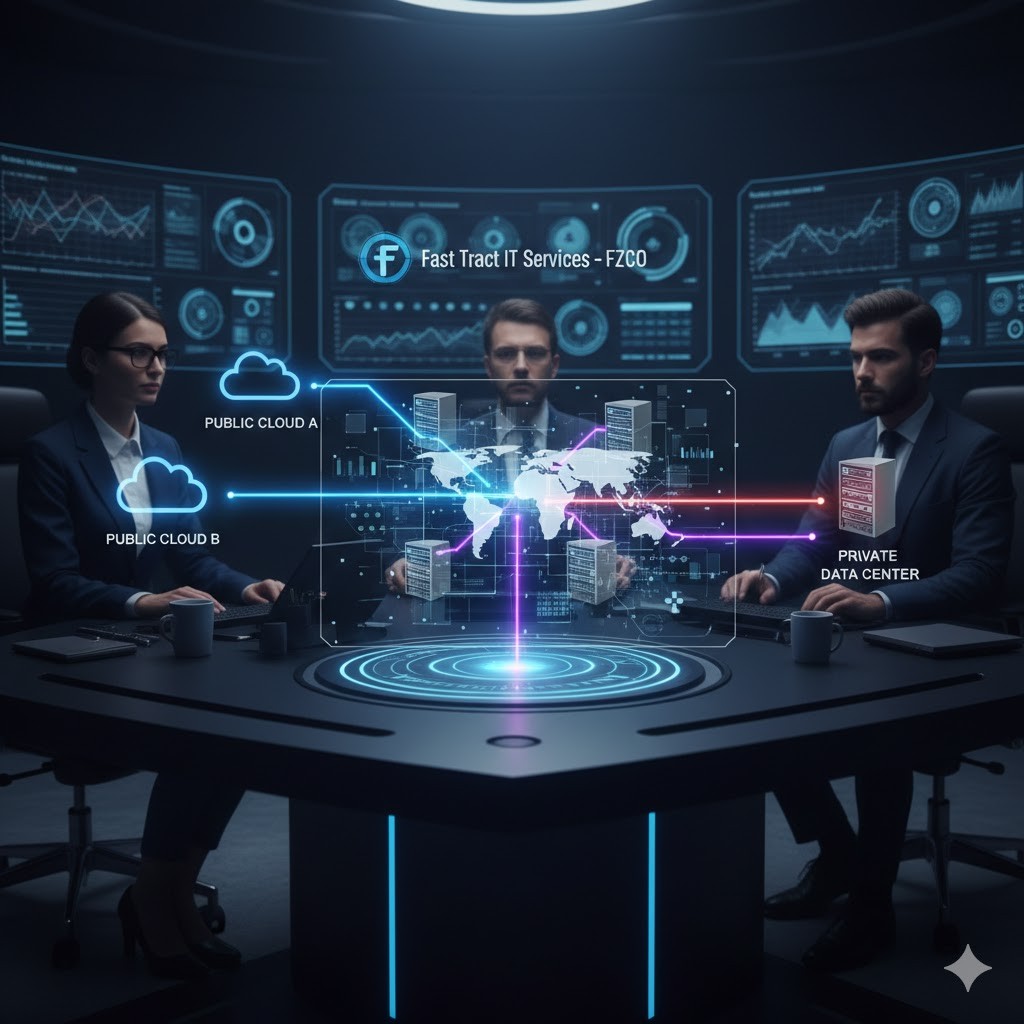
Hybrid and Multi-Cloud Approaches
Many enterprises adopt hybrid or multi-cloud models to balance performance, compliance, and cost considerations. This approach enhances resilience while maintaining operational control.
Data-Driven Decision Making
Turning Data into Strategic Assets
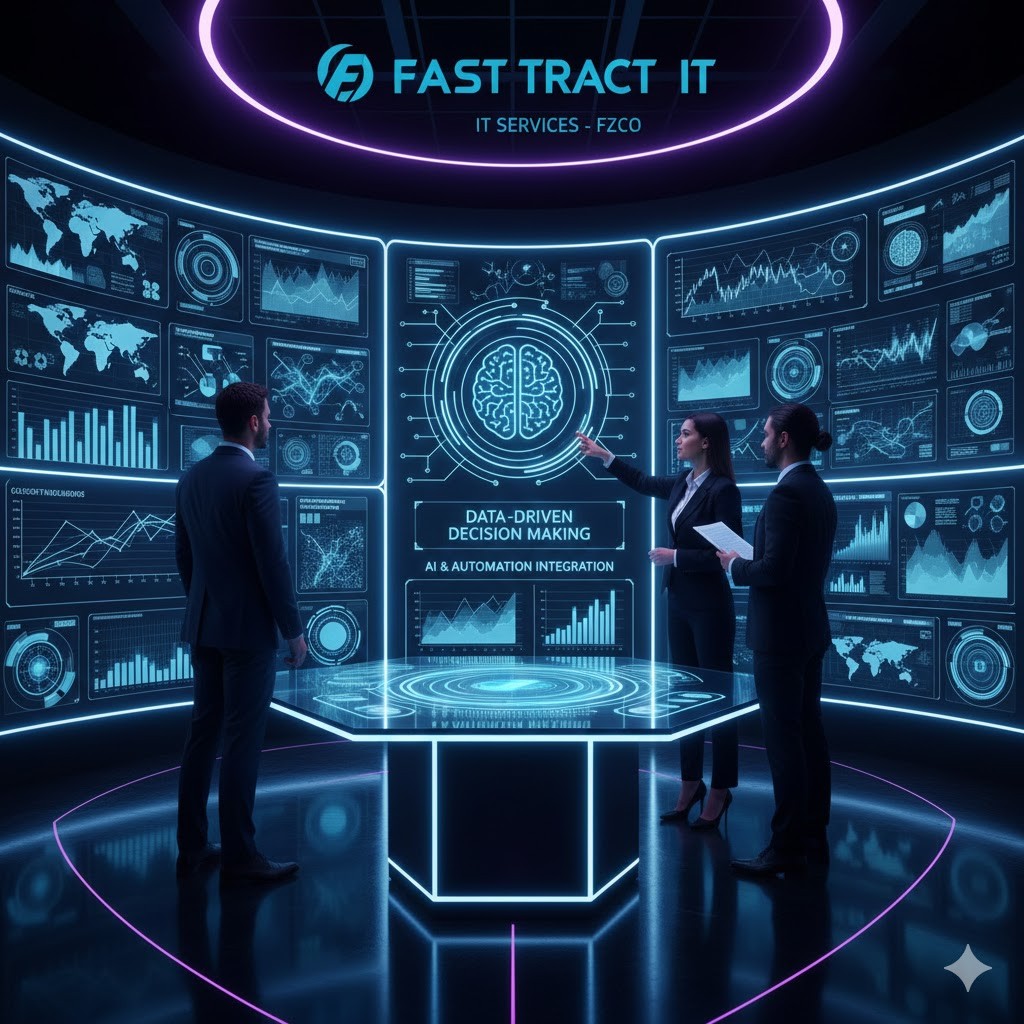
Enterprises now recognize data as a central pillar of digital transformation. Advanced analytics and business intelligence tools allow organizations to:
- Predict customer behavior
- Optimize supply chains
- Improve risk management
- Enhance operational efficiency
Data-driven insights provide a competitive advantage in dynamic markets.
AI and Automation Integration
Artificial intelligence and machine learning are increasingly embedded into digital transformation strategies, enabling automation of repetitive tasks and intelligent decision-making.
Customer-Centric Innovation
Enhancing Digital Experiences
Modern digital transformation efforts prioritize customer experience. Enterprises focus on:
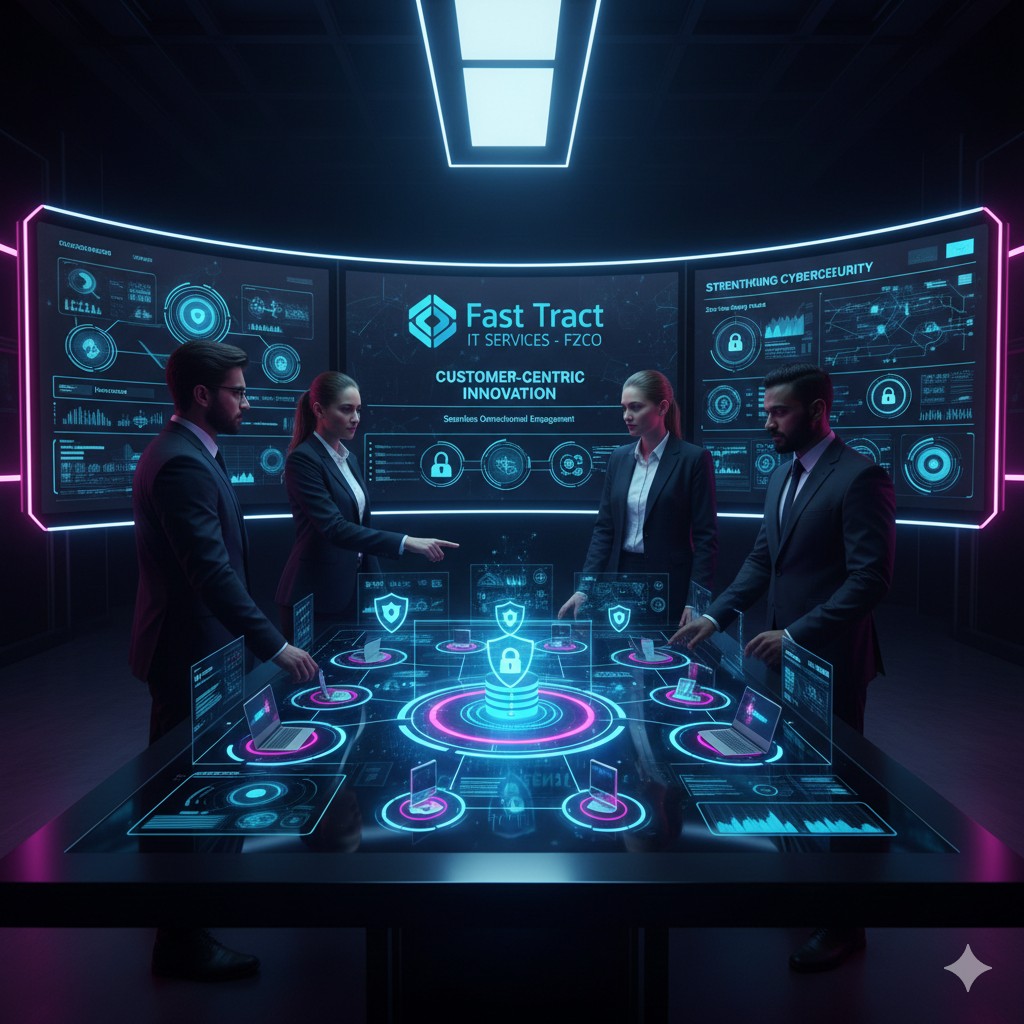
- Seamless omnichannel engagement
- Personalized services
- Faster response times
- Self-service platforms
Customer expectations have evolved, and digital experiences must match those expectations.
Agile Development Models
Enterprises adopt agile methodologies to continuously refine digital services based on user feedback and market changes.
Strengthening Cybersecurity in Digital Transformation
Expanding Attack Surfaces
As enterprises digitize operations, the attack surface expands. Cloud adoption, remote work, and connected devices introduce new security challenges.
Cybersecurity is no longer a secondary consideration—it is embedded into every phase of digital transformation.
Zero-Trust Security Models
Many enterprises implement zero-trust frameworks, ensuring strict verification for every user and device accessing corporate systems.
Security-first thinking protects both data and brand reputation.
Overcoming Common Digital Transformation Challenges
Resistance to Change
Cultural resistance remains one of the biggest barriers. Employees must be trained and supported throughout transformation initiatives.
Legacy System Integration
Integrating new digital solutions with existing legacy systems requires careful planning and phased implementation, as outlined in this legacy system modernization guide
Measuring ROI
Enterprises track key performance indicators (KPIs) such as:
- Operational cost reduction
- Customer acquisition rates
- Process efficiency improvements
- Revenue growth
Clear metrics help justify ongoing digital transformation investments.
Emerging Trends Shaping Digital Transformation
Edge Computing and Real-Time Analytics
Enterprises increasingly deploy edge technologies to process data closer to its source, improving speed and operational efficiency.
Sustainable IT Practices
Sustainability is becoming a core consideration in digital transformation strategies, with enterprises seeking energy-efficient cloud and infrastructure solutions.
Platform Ecosystems
Modern enterprises integrate with partner ecosystems and digital platforms to expand capabilities and accelerate innovation.
Digital Transformation as a Continuous Journey
Digital transformation is not a one-time project. It is an ongoing process that evolves alongside technological advancements and market shifts.
Enterprises that treat digital transformation as a continuous journey—rather than a fixed milestone—are better positioned for long-term success.
Conclusion
Enterprises today approach digital transformation with greater strategic clarity, stronger leadership involvement, and deeper integration of cloud, data, and security technologies. Success depends on aligning digital initiatives with core business objectives while fostering cultural adaptability.
At Fast Tract IT Services – FZCO, we help enterprises navigate digital transformation with structured strategies, scalable infrastructure, and secure technology frameworks. By combining innovation with governance and resilience, organizations can achieve sustainable growth in an increasingly digital world.